The Vatican has taken the rare and significant step of appointing judges to oversee the canonical trial of Rev. Marko Ivan Rupnik, a former Jesuit priest and renowned artist whose mosaics adorn some of the world’s most prominent Catholic sites. Rupnik faces serious allegations from more than two dozen women accusing him of sexual, spiritual, and psychological abuse, accusations that have deeply shaken the Catholic Church and cast a shadow over Pope Francis’s leadership.
Rupnik’s case is particularly sensitive due to his high profile within the Church and the Jesuit order, to which Pope Francis also belongs. The scandal has raised troubling questions about whether the Jesuit community and Vatican authorities, including the sex abuse office headed by Jesuits, shielded Rupnik for years by dismissing or downplaying the accusations. This perception of institutional protectionism has damaged the Church’s credibility in addressing abuse within its ranks.
The Vatican’s Congregation for the Doctrine of the Faith, responsible for handling clergy sex abuse cases, announced the appointment of five judges to the canonical court managing Rupnik’s trial. Notably, the panel includes both priests and women who are not part of the Vatican bureaucracy, a deliberate choice aimed at ensuring greater independence and impartiality in the proceedings. This composition implicitly acknowledges past criticisms that the Vatican’s handling of Rupnik’s case lacked transparency and autonomy.
Marko Rupnik’s artistic legacy is extensive, with his mosaics featured in major Catholic shrines such as Lourdes in France, the Vatican itself, the basilica in Aparecida, Brazil, and the chapel of the Augustinian order in Rome. Despite his public acclaim, the allegations against him first surfaced publicly in late 2022 through Italian media reports detailing accusations by nuns and other women who claimed they suffered various forms of abuse during their interactions with Rupnik, including while collaborating on his art projects.
The Jesuit order confirmed that Rupnik was briefly excommunicated in 2020 for one of the gravest offenses in the Church: abusing the sacrament of confession to absolve a woman with whom he had engaged in sexual relations. Despite this, Rupnik continued his work and public ministry for some time afterward. The continued revelations of abuse claims, some dating back to the 1990s, intensified pressure on the Jesuits and Pope Francis.
Eventually, Rupnik was expelled from the Jesuit order after refusing to respond to allegations from approximately 20 women, many affiliated with a Jesuit-inspired religious community he co-founded in Slovenia. This community has since been suppressed amid the scandal. The Vatican initially resisted prosecuting Rupnik, citing the age of the allegations, which exposed weaknesses in the Church’s legal framework where abuses against adult women are seldom pursued.
Pope Francis publicly denied interfering in the case but ultimately waived the statute of limitations to allow the canonical trial to proceed, responding to mounting public demand for accountability. The recent Vatican announcement confirms that the trial is imminent, though specific canonical charges against Rupnik remain undisclosed. He has not faced criminal charges, and the canonical process will determine his fate based on Church law.
Throughout the investigation, Rupnik has remained silent, refusing to engage with his Jesuit superiors. His supporters, including associates at his Centro Aletti art studio, have condemned the media coverage as a “lynching,” defending his reputation.
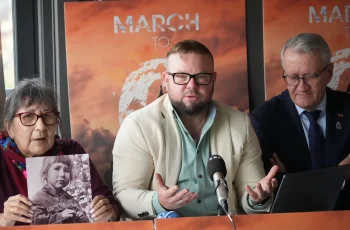
Victims have sought justice publicly, with some participating in the documentary “Nuns vs. The Vatican,” which premiered recently at a major film festival. Their legal representative expressed hope that the court would soon recognize them as injured parties, a status not formally acknowledged in canonical trials where victims are relegated to the role of witnesses without rights to full participation or access to case documents.
The Church’s internal legal system differs significantly from secular courts. Canonical penalties do not include imprisonment but may impose restrictions such as prohibiting a priest from celebrating Mass or presenting himself publicly as clergy. The Vatican’s approach to abuse cases involving adult women remains limited, often presuming consensual relations, which complicates prosecution of spiritual and psychological abuses linked to power imbalances.
Rupnik’s case highlights broader challenges within the Church regarding abuse by spiritual leaders who exploit authority for personal gain—issues increasingly exposed by the #MeToo movement. While the Vatican has made strides in prosecuting sexual abuse of minors, it has been reluctant to address abuses involving adults or spiritual manipulation comprehensively.
In response, Pope Francis authorized a study group to investigate allegations of “false mysticism” and spiritual abuse, signaling some institutional recognition of these complex forms of harm. Church officials, including those experienced in confronting abusive groups in other countries, have called for a culture of prevention that rejects all forms of abuse—whether sexual, spiritual, or related to authority and conscience.
As the canonical trial of Marko Rupnik begins, it represents a critical test of the Vatican’s commitment to justice and reform. The outcome will not only affect the individuals involved but also reflect the Church’s ability to confront abuse within its ranks transparently and fairly, balancing the protection of victims with due process for the accused. This case underscores the ongoing struggle to reconcile the Church’s spiritual mission with accountability in an era demanding greater transparency and respect for human dignity.