Earlier this year, the Department of Homeland Security (DHS) introduced new restrictive conditions on the Nonprofit Security Grants Program (NSGP), a federal initiative that provides funding to religious organizations and other nonprofits to enhance their security measures. These updated guidelines require grant recipients to cooperate with immigration enforcement, specifically U.S. Immigration and Customs Enforcement (ICE), and prohibit the promotion of diversity, equity, and inclusion (DEI) initiatives as well as participation in certain boycotts. The changes have sparked widespread concern and opposition among faith communities, many of which view the new terms as an infringement on religious freedom and a politicization of vital security funding.
The NSGP, administered by FEMA under DHS oversight, was originally established in 2004 with strong support from Jewish organizations to help protect houses of worship and nonprofit institutions from hate crimes and violence. However, the recent modifications to grant conditions have complicated this mission. Religious groups now face a dilemma: accept federal funds under conditions that may conflict with their values and advocacy work or forgo critical security resources amid rising threats.
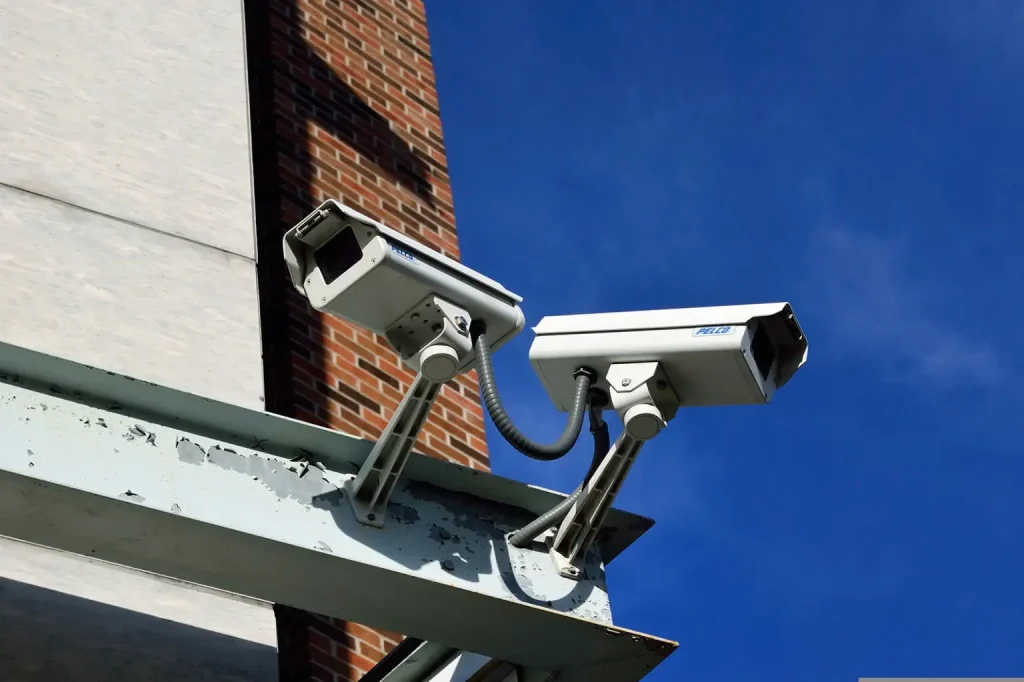
The controversy intensified when 20 state attorneys general filed a lawsuit against DHS, challenging the legality of imposing such conditions on FEMA funding. DHS initially defended the new rules by emphasizing that grant money must be used solely for security-related expenses like cameras, fencing, and staff training—not for unrelated programs such as climate projects or DEI efforts. Yet, the agency also insisted that recipients must fully comply with all conditions, leaving ambiguity around what constitutes compliance and enforcement.
Faith leaders across denominations have voiced strong disapproval. Nearly 70 religious organizations, including synagogues, Unitarian Universalists, Muslim advocacy groups, and Methodist churches, signed a letter rejecting the new grant terms. Many of these groups have historically opposed ICE’s aggressive immigration enforcement policies and have actively supported immigrant rights. The letter underscored a unified refusal to sacrifice the safety and dignity of their communities to meet government demands that contradict their moral and social commitments.
This pushback comes amid a troubling rise in violent attacks on places of worship. In 2025 alone, a shooting at a Catholic church in Minneapolis left two children dead and dozens wounded, while a deadly attack on a Latter-day Saints chapel in Michigan resulted in multiple fatalities and injuries. These incidents have heightened the urgency for robust security measures, making the withholding or conditional provision of federal funds especially contentious.
Jewish community safety advocates, such as those affiliated with the Community Safety Campaign, have highlighted how many faith organizations participate in boycotts of companies perceived to undermine DEI principles or support policies they oppose, including Israel-related boycotts. The new DHS conditions effectively penalize such political and ethical stances, forcing faith groups to choose between their advocacy and their security needs.
Organizations like the Council on American-Islamic Relations (CAIR) have urged nonprofits to reject NSGP funding altogether, warning that the conditions threaten religious freedom, free speech, and the independence of civil society. Similarly, denominations like the United Church of Christ and the Evangelical Lutheran Church in America have issued guidance cautioning their congregations to carefully weigh the implications of accepting federal grants that come with restrictive terms.
Legal challenges continue to unfold. A federal judge recently reprimanded DHS for allegedly circumventing previous court orders by embedding contested conditions into grant award letters, effectively coercing states to assist in immigration enforcement as a prerequisite for funding. This legal uncertainty adds another layer of complexity for faith groups navigating the funding landscape.
Many religious communities, unwilling to compromise their core values or jeopardize their advocacy, are exploring alternative approaches to community safety. They are developing grassroots and locally driven security initiatives that do not require federal funding strings attached. This shift reflects a broader resistance to what is perceived as the federal government’s politicization of grant programs intended to protect vulnerable populations.
Additionally, allegations have surfaced that DHS has discriminated against Muslim organizations by attempting to block their access to security grants based on unproven terrorism ties. Although DHS has denied these claims, several Muslim nonprofits report losing grant eligibility abruptly, fueling concerns about bias and unequal treatment within the grant distribution process.
In sum, the new DHS grant conditions linking security funding to cooperation with ICE and prohibiting DEI promotion have ignited significant backlash from faith-based organizations nationwide. These groups argue that such policies undermine religious freedom, politicize critical security resources, and force untenable choices between safety and advocacy. As legal battles and community responses continue, the debate underscores the delicate balance between government oversight and the autonomy of religious institutions in safeguarding their members.