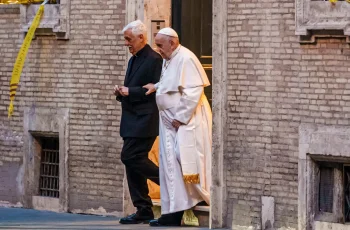
King Charles III’s upcoming state visit to Rome marks a groundbreaking moment in the centuries-long relationship between the Roman Catholic Church and the Church of England. On October 23, Charles will join Pope Leo XIV in an ecumenical prayer service at the Sistine Chapel—an event that has not occurred for over 400 years. This historic act of public prayer between a British monarch, who is the Supreme Governor of the Church of England, and the head of the Catholic Church symbolizes a new chapter in reconciliation and religious unity.
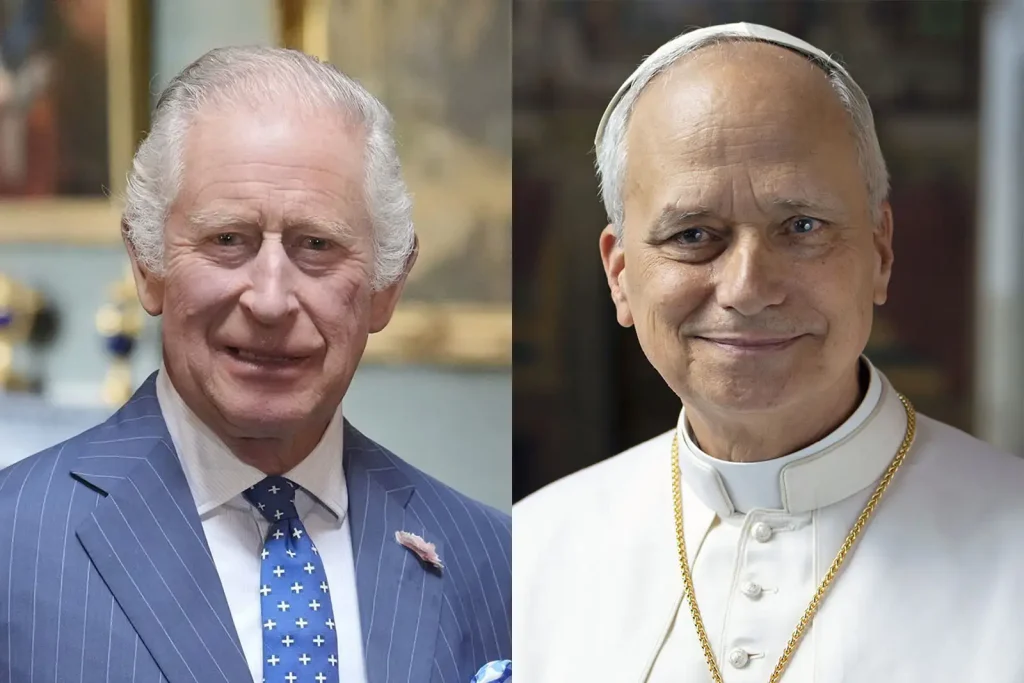
The origins of the divide between the two churches trace back to the 16th century when Henry VIII established the Church of England after breaking away from Rome over his request to annul his marriage to Catherine of Aragon. Since then, relations between the Anglican and Catholic churches have been marked by tension and occasional outreach, but never a moment as symbolically powerful as this joint prayer.
King Charles III has a long history of engagement with the Vatican, having visited five times before ascending the throne. However, this upcoming event surpasses any previous interactions by a British monarch. His mother, Queen Elizabeth II, maintained official relations with the popes from John XXIII onward but refrained from attending Catholic Mass publicly in Britain, reflecting caution toward Protestant sensitivities. For instance, in 1982, when Pope John Paul II visited the U.K., some Protestant leaders opposed Charles attending an ecumenical service alongside the pope. Later, Queen Elizabeth advised Charles against attending a private Mass with John Paul II in Rome.
Since becoming king in 2022, Charles has demonstrated a more open and inclusive approach to interfaith relations. He has emphasized the United Kingdom as a “community of communities,” expressing his desire to engage with people of all faiths. His 2023 coronation underscored this spirit of ecclesiastical friendship: the papal nuncio attended the ceremony, and Cardinal Vincent Nichols, the Archbishop of Westminster, participated—the first Catholic cleric to do so since the coronation of Mary I in 1553. Notably, the procession featured a cross gifted by Pope Francis, symbolizing growing goodwill.
This year has witnessed several landmark moments reflecting the monarchy’s evolving relationship with Catholicism. In May, Charles appointed Baroness Elish Angiolini, a Scottish Catholic lawyer, as his representative to the Church of Scotland’s General Assembly—the first Catholic to hold this role since the Reformation. This appointment required parliamentary approval, highlighting its constitutional significance.
In September, Charles visited the Birmingham Oratory, founded by John Henry Newman, a Victorian-era cleric who converted from Anglicanism to Catholicism and was canonized in 2019. Newman is set to be declared a Doctor of the Church shortly after Charles’s visit to Rome, further cementing the connection between the two traditions. Later that month, Charles led the royal family at the funeral of the Duchess of Kent, a Catholic convert, held at Westminster Cathedral—the first royal requiem in England’s principal Catholic church since its opening in 1903.
The ecumenical service at the Sistine Chapel will focus on themes dear to both Charles and Pope Leo XIV: care for creation and Christian unity. Originally planned for April but postponed due to Pope Francis’s ill health, the service reflects their shared commitment to environmental stewardship and interfaith dialogue. Pope Leo has prioritized climate change as a key issue of his pontificate, echoing the concerns expressed in Pope Francis’s 2015 encyclical Laudato Si’, which Charles has long supported.
The service will be jointly led by Pope Leo and Archbishop Stephen Cottrell of York, featuring choirs from both Anglican and Catholic traditions, including the Children of the Choir of His Majesty’s Chapel Royal and the Sistine Chapel Choir. This blending of liturgical music from both churches further symbolizes the bridging of centuries-old divides.
Following the service, Charles and Queen Camilla will visit the Papal Basilica of St. Paul’s Outside the Walls, where the pope and leading Anglican clergy annually celebrate Christian unity. The king will be honored with the title Royal Confrater of St. Paul, a role that acknowledges his decades-long efforts to foster interfaith understanding. A special chair has been crafted for him and future monarchs to use during visits, symbolizing the enduring nature of this relationship.
The choice of St. Paul’s Basilica is deeply symbolic. Historically linked to the English crown and the medieval Order of the Garter, it emphasizes the renewed friendship between the Anglican and Catholic churches. The British government sees the Vatican as a vital partner on global issues such as climate change, education, and peacebuilding, reinforcing the broader significance of this visit beyond religious symbolism.
King Charles III’s visit and the ecumenical service represent more than ceremonial diplomacy—they are a profound acknowledgment of the potential for healing centuries-old religious rifts. By openly praying with Pope Leo XIV, Charles not only honors his role as head of the Church of England but also embraces a future of greater unity and mutual respect among Christian denominations.
This historic moment may well serve as a catalyst for further reconciliation, inspiring faith communities worldwide to seek common ground and work collaboratively on shared challenges. In a world often divided by religious and cultural differences, the joint prayer in the Sistine Chapel stands as a powerful testament to the possibilities of dialogue, understanding, and hope for a united future.