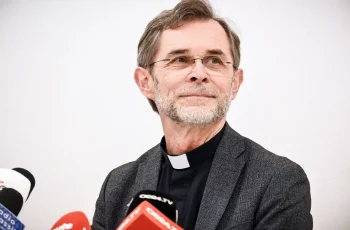
In a historic and unprecedented move, Pope Leo XIV met with representatives of Ending Clergy Abuse (ECA), a global organization of clergy abuse survivors and advocates, to discuss the urgent need for a universal zero-tolerance policy against sexual abuse within the Catholic Church. This meeting marks a significant step in the Church’s ongoing efforts to confront its painful legacy of abuse and to implement stronger protections for vulnerable individuals worldwide.
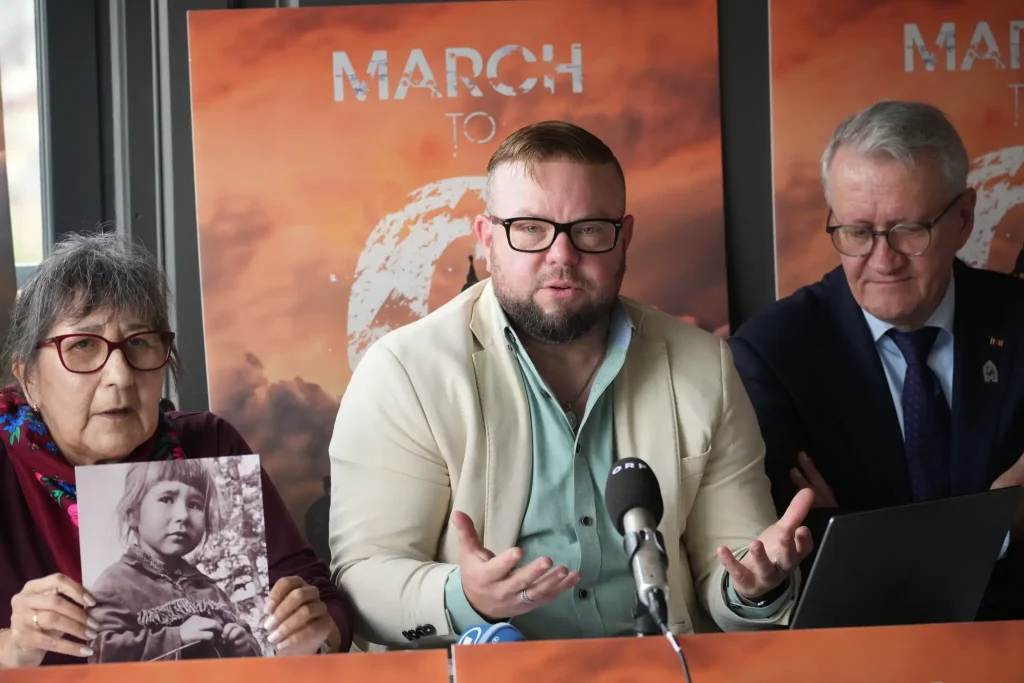
Ending Clergy Abuse has been at the forefront of campaigning for the adoption of the United States’ strict abuse policy on a global scale. This policy, which originated in the 1990s amid the height of the abuse scandal in the U.S., mandates the permanent removal of any priest found guilty or admitting to even a single act of sexual abuse. While this zero-tolerance approach has been codified in U.S. church law, it has yet to be universally embraced by the global Catholic hierarchy.
During the meeting, Pope Leo XIV acknowledged the considerable resistance faced in promoting a universal zero-tolerance law. However, he expressed openness to ongoing dialogue with ECA, signaling a willingness to collaborate with survivors and advocates to advance this critical agenda. This openness is particularly notable given that previous popes, including Francis and Benedict XVI, had generally limited their engagement to individual survivors rather than activist groups.
The meeting, held inside the Apostolic Palace and lasting approximately one hour, was described by participants as attentive and sincere. The Pope’s decision to meet with ECA as an organized advocacy body represents a historic shift toward more transparent and cooperative engagement with those affected by clerical abuse. Matthias Katsch, a German survivor and participant, emphasized that Pope Leo XIV framed this encounter as “the next historic step,” establishing an open channel of communication.
The ECA delegation was diverse, including board members from Argentina, Canada, Germany, Uganda, and the United States. Also present was Pedro Salinas, a Peruvian survivor and journalist with a history of advocating for justice for victims of abuse within a Catholic lay group in Peru. The survivors outlined key initiatives during the meeting, including pushing for the global adoption of the zero-tolerance policy, organizing a conference to address alleged abuses within Opus Dei in Argentina, and supporting the formation of a national survivors’ organization in the Philippines.
ECA co-founder Gemma Hickey addressed the Pope by invoking his own words upon becoming pontiff, expressing their commitment to be “bridge builders” working together toward truth, justice, and healing. This sentiment resonated deeply, reinforcing the survivors’ hope for meaningful progress.
Significantly, Ugandan survivor Janet Aguti highlighted the cultural challenges in confronting abuse in Africa, where denial and silence often impede accountability. She stressed the inequity of protection, asserting that children in Africa deserve the same safeguards as those in the United States. Aguti described the meeting as a “historical moment” that left her feeling hopeful about the Church’s path forward.
The survivors also noted their efforts to secure an audience with Pope Francis dating back to 2019, underscoring the importance of this engagement with Leo XIV. They found the new Pope humble, genuine, and committed to addressing abuse, though he asked for patience as the Church navigates this complex issue.
Evelyn Korkmaz, a co-founder of ECA and survivor of abuse at a Canadian residential school, expressed a sense of being truly heard during the meeting. She voiced confidence that Pope Leo XIV would continue to pursue reconciliation and justice, reinforcing the significance of this dialogue for survivors worldwide.
This encounter signals a potential turning point in the Catholic Church’s handling of clergy sexual abuse. By formally recognizing and engaging with an organized survivor advocacy group, Pope Leo XIV is fostering transparency and accountability at an institutional level. The call for a universal zero-tolerance policy reflects a growing consensus that the Church must adopt consistent, stringent measures globally to restore trust and protect the vulnerable.
While resistance remains within parts of the Church hierarchy, the Pope’s willingness to maintain an ongoing conversation with ECA suggests a commitment to reform that transcends geographic and cultural boundaries. The survivors’ diverse backgrounds and shared mission highlight the universal nature of the abuse crisis and the need for a coordinated, global response.
Moving forward, the challenge will be translating this dialogue into concrete policies and actions that ensure the permanent removal of abusive clergy and provide comprehensive support for survivors. The Church’s credibility and moral authority depend on its ability to confront past failures honestly and to implement safeguards that prevent future abuse.
Pope Leo XIV’s engagement with Ending Clergy Abuse offers a hopeful vision of collaboration between Church leadership and survivor communities. It paves the way for a more just and accountable Church, one that prioritizes the dignity and safety of all its members above institutional protection. This meeting may well be remembered as a pivotal moment in the ongoing journey toward healing and reform within the Catholic Church.